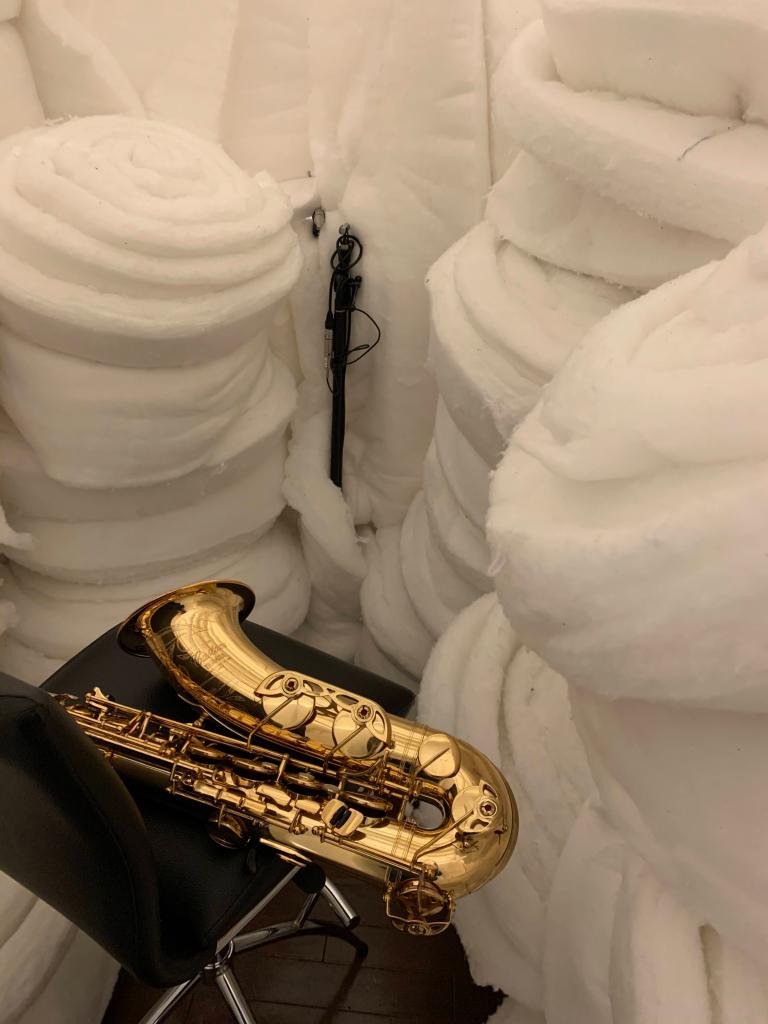
This research explores how the timbre of saxophones changes with different playing dynamics and how these changes are perceived by listeners. While saxophones of different registers (soprano, alto, tenor, baritone) belong to the same instrument family and share similar playing mechanisms, it remains challenging—both for performers and listeners—to distinguish their timbral differences, especially when dynamics vary.
To investigate this, I recorded sustained tones across the saxophone family at six dynamic levels (pp to ff) and conducted subjective listening tests using the Semantic Differential (SD) method. The study analyzed correlations between sound pressure levels and listeners’ impressions using descriptors such as strong, soft, bright, and powerful. Results revealed that lower-pitched notes were consistently rated as stronger and more powerful, and that players’ intended dynamics were perceived reliably regardless of the listener’s saxophone experience.
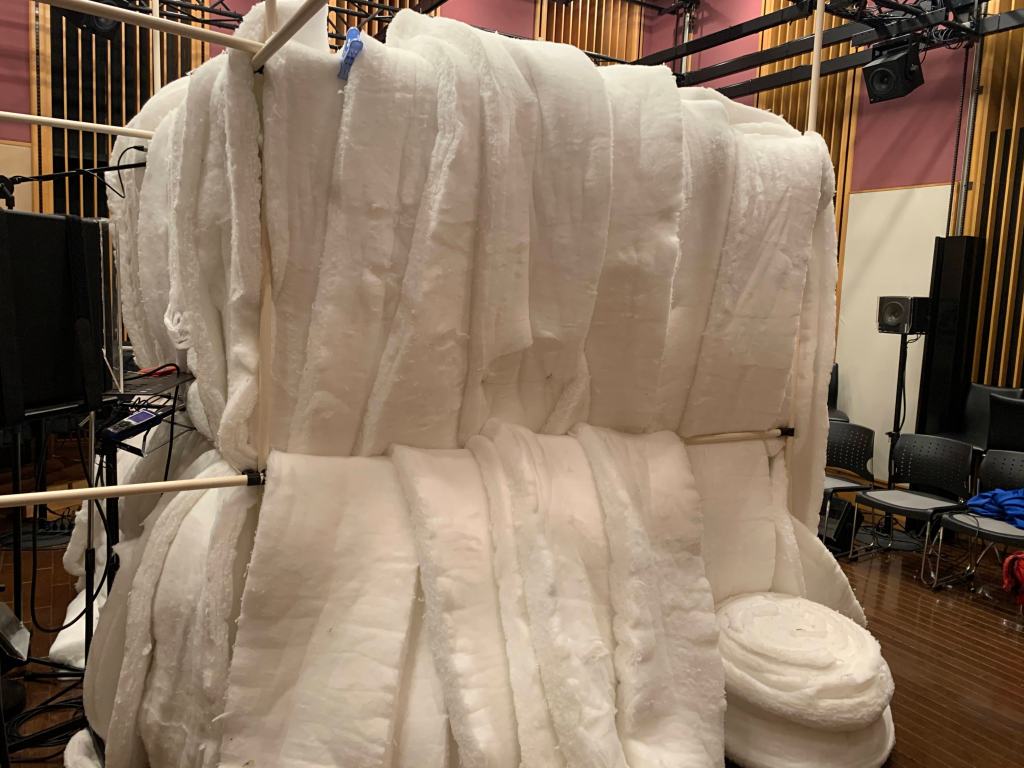
This work aims to bridge the gap between performers’ expressive intentions and listeners’ perceptions, providing insight for educators, performers, and researchers interested in musical expression and acoustic identity across similar instruments.
These videos feature the timbre differences by playing the same piece with different instruments.
 Akira Takeuchi